

Buying a house in winter in Northern Michigan gives you something spring and summer buyers don’t get: the home under real conditions. When temperatures drop below zero and snow piles up, a property’s weaknesses show themselves. Poorly insulated attics, stressed heating systems, drainage problems, and indoor air quality issues all become visible in ways they simply aren’t during warmer months.
As a Certified Master Inspector® with over 2,000 inspections across Northern Michigan, I’ve seen what a hard winter reveals — and what buyers miss when they don’t know what to look for. This guide covers the most important things to watch for when house hunting in cold weather, from Gaylord and Petoskey to Charlevoix, Boyne City, and beyond.
Is Winter a Good Time to Buy a House in Michigan?

Yes — and in many ways it’s an underrated advantage. Winter home buying in Michigan often means less competition, more motivated sellers, and a genuine stress test of the property. You can observe how the heating system performs, whether the home holds heat efficiently, and how snow and ice behave on the roof and around the foundation. A house that looks perfect in July may tell a very different story in January.
What to Look for When Buying a House in Winter
1. Roof Condition and Ice Dams
Ice dams are one of the most telling signs of an attic problem. They form when heat escapes through the roof, melts snow at the ridge, and the water refreezes at the cold eaves. The result is a ridge of ice that traps meltwater and forces it under shingles — sometimes causing significant interior water damage before anyone notices.
Look for uneven snow melt patterns on the roof. Snow melting faster near the ridge than at the eaves is a classic indicator. Check the attic for signs of moisture intrusion, frost, or inadequate insulation. Ask about the age of the roof and whether there’s a history of ice dam damage.
You can also look for advanced ice dam damage while walking through the home’s interior. Look for telltale moisture stains on ceilings near the home’s outer walls.
Ice dam detection is also an area where thermal imaging makes a meaningful difference. A thermal imaging inspection can detect heat loss through the roof and ceiling that’s invisible to the naked eye — showing you exactly where insulation is missing or failing before it becomes a costly repair.
2. Snow Patterns, Storage, and Removal
This one is unique to heavy-snow regions like Northern Michigan, and most buyers overlook it entirely. Pay close attention to how snow accumulates and drains on the property.
Watch for:
- Snow sliding off a metal roof directly onto a walkway or entryway
- Inadequate space between structures for snow storage
- Low-lying areas where snowmelt will pool in spring
- Steep driveways that become dangerous in icy conditions, and
- Garage doors or outbuildings with significant snow load on their roofs.
A property that looks manageable in summer can become genuinely difficult — or even hazardous — to maintain through a Northern Michigan winter.
3. Foundation and Drainage
Michigan’s freeze-thaw cycles put serious stress on foundations. Look for cracks in basement walls, bowing or stair-step cracking in masonry, and uneven floors that may indicate settling or shifting. Snow and ice should always slope away from the foundation — water pooling against the base of the house will eventually find a way in.
Ask whether the home has a sump pump and when it was last serviced. Basement flooding is a common issue in this region, especially in spring, and a working sump pump is essential. You can often see signs of water damage on basement walls in homes prone to flooding.
4. Heating System Performance
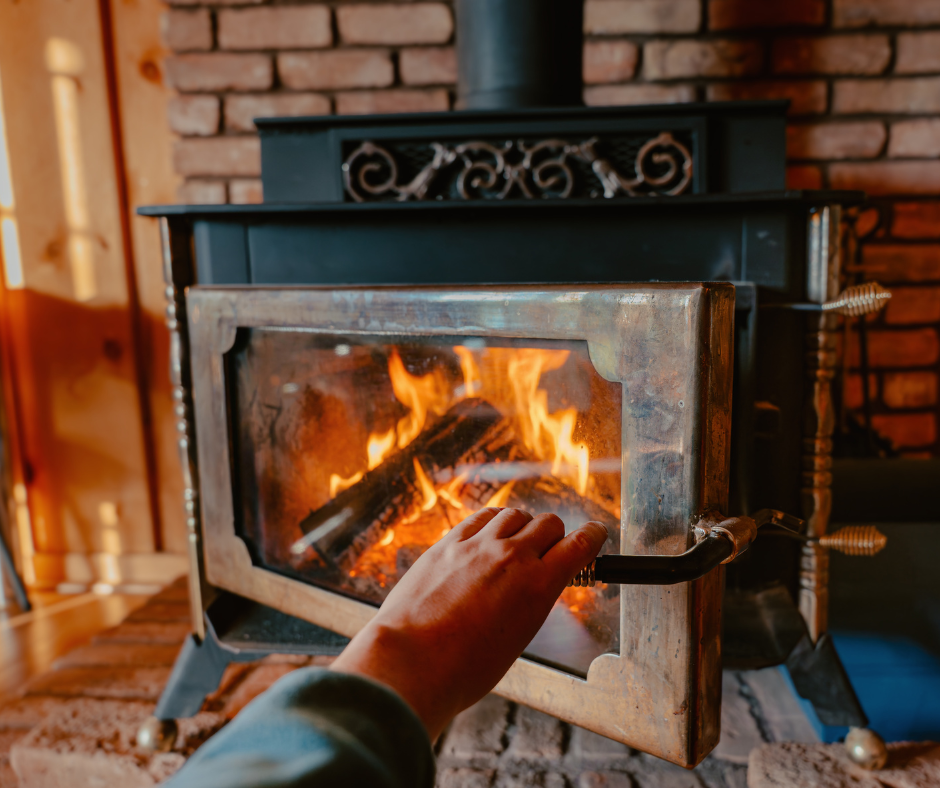
A reliable heating system isn’t a nice-to-have in Northern Michigan — it’s a necessity. Find out the type of system (forced air furnace, boiler, heat pump), its age, and when it was last serviced. Test it during your visit. Ask for utility bills from previous winters to understand its efficiency under real conditions.
Older homes may rely on systems that struggle to maintain comfortable temperatures when the mercury drops well below zero. Propane delivery, wood backup systems, and zone heating are all common in this region; understanding the full picture matters.
5. Windows, Doors, and Air Sealing
Run your hand along window and door edges during your walkthrough. Cold air infiltration is easy to feel in winter and much harder to detect in warmer months. Look for condensation or frost between the double panes of thermal windows. This indicates seal failure and means the insulating gas has escaped.
Drafty windows and poorly sealed doors translate directly into higher heating bills and uneven temperatures throughout the home. This is another area where thermal imaging excels — it can map air leakage and insulation gaps across the entire building envelope in a way no visual inspection can match.
6. Indoor Air Quality, Ventilation, and Airflow
Winter is actually the ideal time to evaluate indoor air quality — and most buyers never think to ask about it. When a home is sealed tight against the cold for months at a time, pollutants, moisture, and biological growth have nowhere to go. Inadequate ventilation, high humidity, combustion byproducts from heating systems, and mold from undetected moisture intrusion can all create serious air quality problems.
Proper airflow is essential in a tightly sealed winter home. Stuffy rooms, condensation on walls, musty odors, and uneven temperatures throughout the house can all point to ventilation problems. These issues are easy to dismiss as minor inconveniences, but they often signal moisture management problems that become much larger issues over time — particularly in attics and crawl spaces.
During your walkthrough:
- Notice whether the home smells musty, damp, or stale.
- Check exhaust fans in kitchens and bathrooms — they should be functional and vented outside, not into an attic or crawl space.
- Look for condensation on walls or ceilings, particularly in corners and closets.
A professional mold inspection can identify contamination that isn’t visible and isn’t always apparent from smell alone. For homes with combustion heating, radon testing is also worth considering as part of a complete indoor air quality assessment.
7. Plumbing and Pipe Vulnerability
Frozen pipes are a homeowner’s nightmare. In Northern Michigan homes — especially older properties, seasonal cottages, and homes with additions or attached garages — pipes in exterior walls or unheated spaces are at real risk.
Look for exposed pipes in basements, crawl spaces, and utility rooms. Ask about insulation around pipes near exterior walls. If the home has a well, verify it’s protected against freezing and ask about the well’s history and condition. Pipes that have frozen before are more likely to fail again.
The Winter Advantage: What You Can See That Spring Buyers Can’t
Buying a home in winter gives you real-world data. You can see how the heating system actually performs. You can observe snow behavior on the roof and property. You can feel drafts that would be invisible in July. You can smell air quality issues that open windows in warmer months would mask.
A thorough Northern Michigan home inspection during winter — especially one that includes thermal imaging — gives you a more complete picture of the property than almost any other time of year. The conditions that make winter feel inconvenient for house hunting are exactly the conditions that reveal what a home is made of.
For more on smart home investments, see our guide to winter upgrades that enhance property value.
Frequently Asked Questions About Winter Home Inspections
Can a home inspection be done in the snow?
Yes. A qualified home inspector can conduct a thorough inspection in winter conditions, including snow cover. Some components — like roof surfaces — may have limited visual access if snow cover is heavy, and a good inspector will clearly communicate that in the report. However, winter conditions also make certain issues more visible, particularly related to heating performance, insulation, ice dams, and air infiltration.
Can roofs be inspected in winter?
It depends. In theory, roofs can be inspected in winter. In practice, deep snow cover may limit access to the surface itself — which significantly limits what we can observe about the roof’s condition. An experienced inspector will evaluate what’s accessible, document any limitations, and use tools like thermal imaging to identify heat loss and insulation deficiencies from inside the attic. While we always recommend re-inspecting once the roof is clear, these methods can reveal a great deal about roof system performance.
What does thermal imaging show in a home inspection?
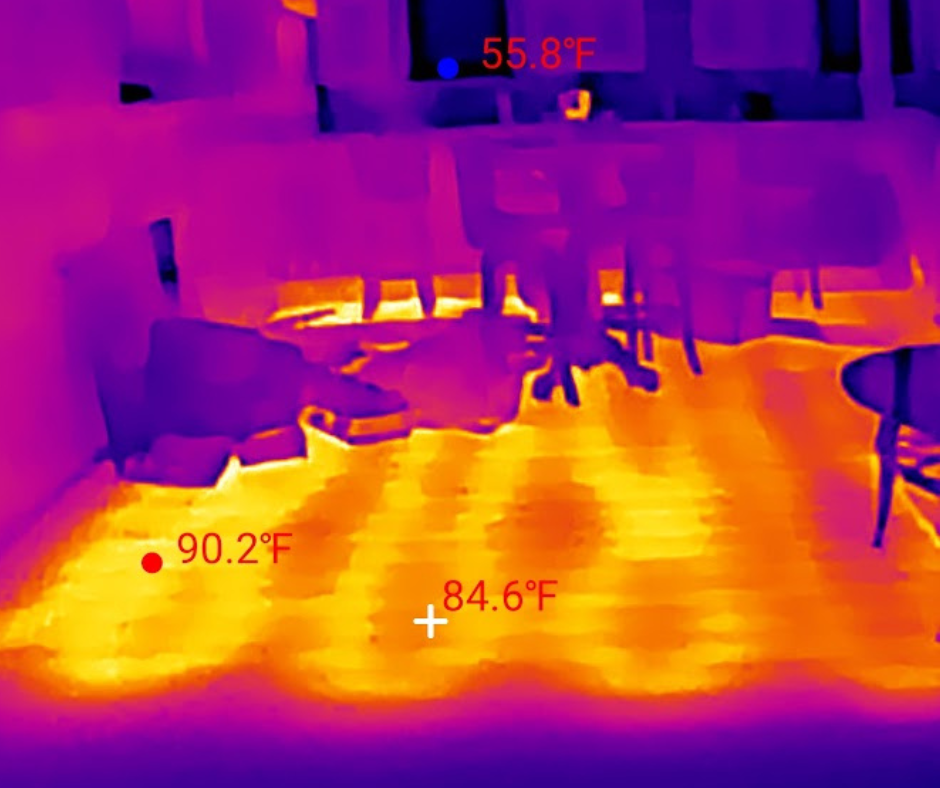
Thermal imaging uses infrared technology to detect temperature differences in building materials. During a winter home inspection, it’s especially valuable for identifying missing or failing insulation, air leaks around windows and doors, moisture intrusion behind walls or ceilings, heat loss through the roof, and electrical hot spots. It reveals problems that are invisible to the naked eye and that often go undetected in standard inspections.
Is thermal imaging worth it for a home inspection?
For buyers in Northern Michigan, the answer is almost always yes. The cost of thermal imaging is a small fraction of what a missed insulation problem, undetected moisture intrusion, or air sealing failure will cost to repair. In a climate with heating demands as significant as ours, knowing the building envelope’s performance before you buy is genuinely valuable information. Winter is the perfect time to perform a thermal imaging inspection because the temperature differential between indoor and outdoor air is so great.
Do home inspectors check indoor air quality?
A standard home inspection includes visual evaluation of ventilation systems, exhaust fans, and conditions conducive to moisture and mold growth. For a more comprehensive indoor air quality assessment — including testing for mold spores, radon, or other contaminants — specialized testing is available. At North Point, we offer mold testing with certified lab analysis as well as radon testing as separate services.
What are red flags in a winter home inspection?
The most significant red flags include: visible ice dams with staining on interior ceilings or walls, a heating system that can’t maintain temperature in extreme cold, cracks in the foundation with signs of water intrusion, frost or moisture in the attic, condensation or mold growth in any area of the home, pipes in unheated spaces without adequate insulation, and exhaust fans venting into attic spaces rather than outside.
Schedule Your Northern Michigan Winter Home Inspection
Winter home buying in Northern Michigan isn’t for the faint of heart — but buyers who lean into the season rather than waiting for spring often come out ahead. Less competition, more motivated sellers, and a property that’s showing you exactly how it performs under pressure. With the right inspector and the right questions, a January closing can be the smartest move you make.
Call or text (989) 370-3683 or schedule online at northpointhomeinspections.com.
Note: this blog was expanded and updated in March, 2026 to better reflect our current offerings and expertise.

Scott Frakes, CMI®, provides thorough home inspections across Northern Michigan — including Gaylord, Petoskey, Charlevoix, Boyne City, Harbor Springs, East Jordan, Traverse City, and surrounding communities. With over 2,000 inspections and 12+ years of experience in this specific region, Scott brings the local knowledge and advanced tools — including thermal imaging — to give you the complete picture before you close.