

Ice dam damage is one of the most expensive — and most overlooked — problems I find in Northern Michigan homes. A single winter of untreated ice dams can lead to roof leaks, structural rot, mold growth, and insulation failure. Worse, the damage often goes unnoticed for months, quietly getting worse behind walls and above ceilings.
I’m Scott Frakes, a Certified Master Inspector® (CMI®) with 12+ years of experience and more than 2,000 inspections completed across Northern Michigan — from Gaylord and Petoskey to Traverse City, Charlevoix, and beyond. In this post, I’ll walk you through exactly what ice dam damage looks like inside and outside your home, and why it matters whether you’re buying, selling, or simply trying to protect what you own.
What Causes Ice Dams to Form?
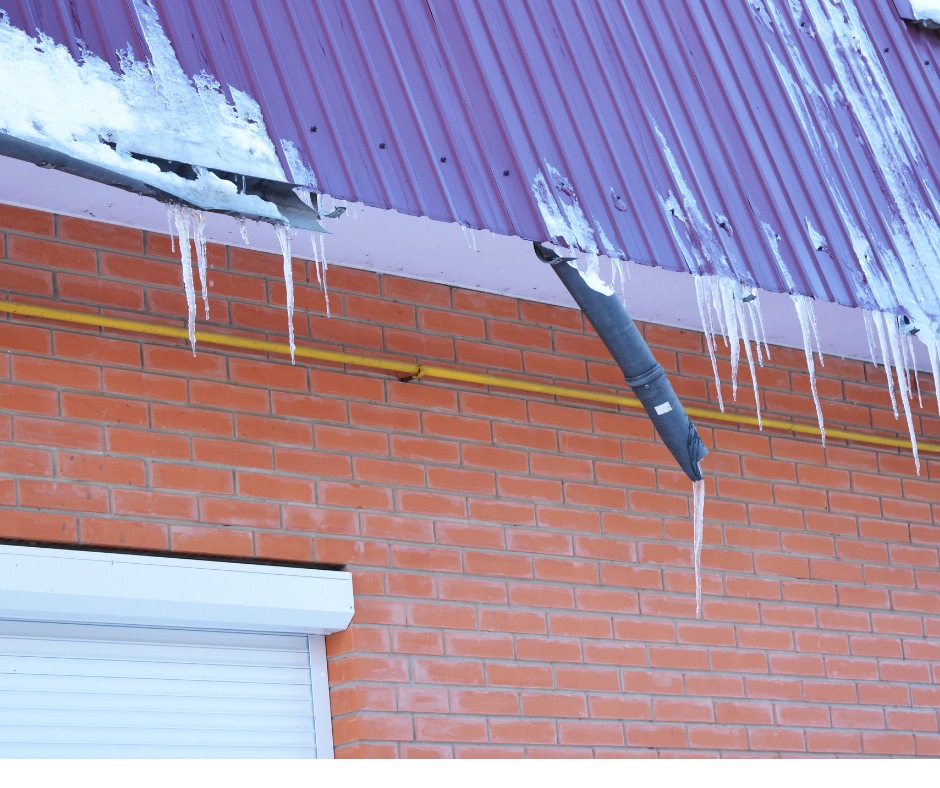
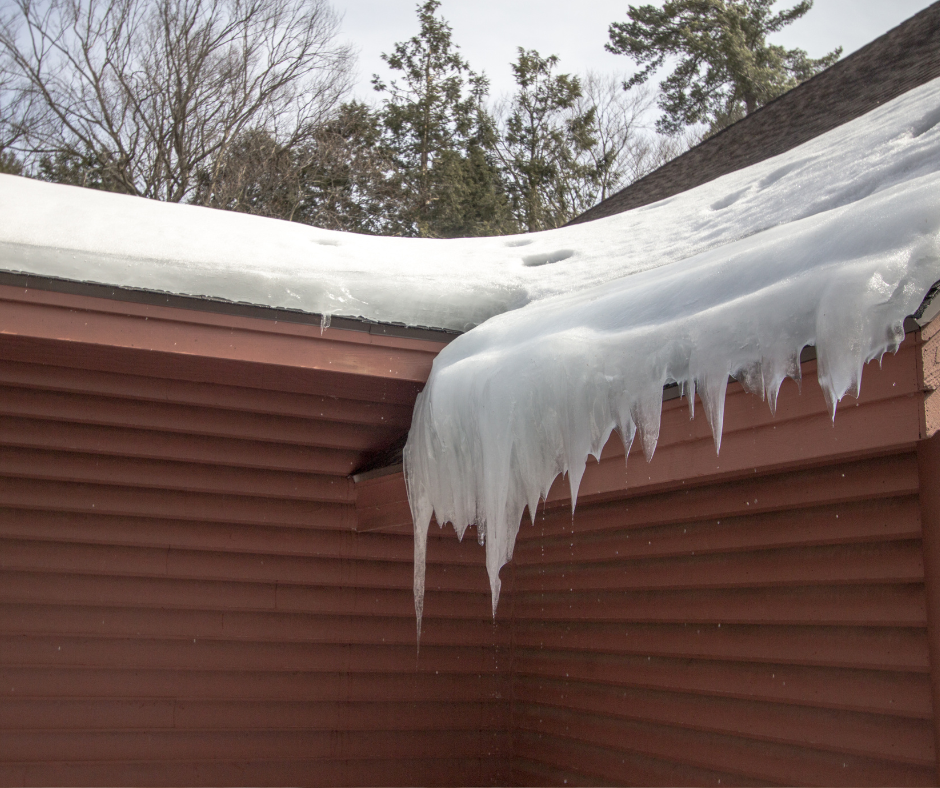
Ice dams form when heat escapes through your roof and warms the snow above it. That snow melts, runs down toward the eaves, and refreezes — because the eaves stay cold. Over time, a ridge of ice builds up and traps meltwater behind it. That water has nowhere to go but under your shingles and into your home.
Northern Michigan homes are especially vulnerable. Our region gets heavy snowfall — including significant lake-effect snow from Lake Michigan — combined with frequent freeze-thaw cycles that repeat throughout the winter. Homes with inadequate attic insulation or poor ventilation and poorly monitored homes such as rental properties are at the highest risk.
What Ice Dams Do to Your Roof
The roof takes the first hit, and the damage can be extensive. When water backs up behind an ice dam, it works its way under shingles, breaking the waterproof seal. From there, it soaks into the roof decking — the plywood or OSB underneath your shingles.
Roof-level ice dam damage typically includes:
- Lifted, cracked, or missing shingles along the eave line
- Rotted roof decking — soft spots that flex when walked on
- Gutter damage from the sheer weight of accumulated ice
- Deteriorating fascia and soffit boards where water runs down
We often find roof dam damage on homes with gable roofs where two sections of roof come together. Ice can build up in the valley where the rooflines meet. Older Victorian homes are especially prone to this, but we see it on newer homes as well.
Signs of Ice Dam Damage Inside Your Home
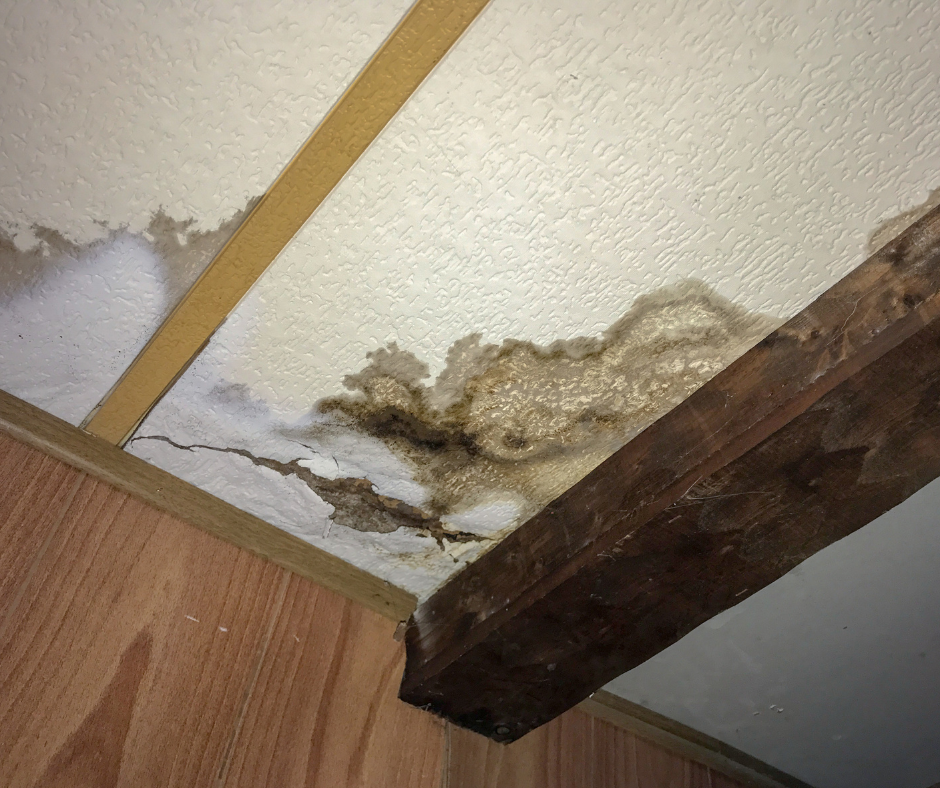
This is where ice dam damage gets truly costly — and where it most often goes undetected until a home inspection turns it up.
Water that gets under the roof doesn’t stop at the sheathing. It follows the path of least resistance through insulation, into wall cavities, and eventually shows up inside your living space. By the time you see interior signs, the damage has usually been building for a while.
Watch for these signs of ice dam damage inside your home:
- Water stains on ceilings, especially near exterior walls or below the roofline — often the first visible sign
- Peeling or bubbling paint on interior walls — a sign water has gotten into the wall cavity
- Mold or mildew growth — can appear weeks or months after the ice event itself
- Wet, compressed, or discolored insulation in the attic
- Rotting wall framing in severe or long-running cases
Winter is the ideal time to identify ice dam damage, because you can see it in action. But one important thing buyers need to know: ice dam damage discovered during a spring or summer home inspection often has no ice left to point to. The dam is long gone, but the water staining, soft decking, and mold growth it caused are very much still there. Rarely does a week go by in the busy warm season when I don’t find at least one instance of water staining on the ceiling or outer walls of a home’s interior that indicate the presence of winter ice buildup. I especially make sure to check inside closets, as many times these locations go unnoticed by the seller.
The Hidden Cost — Insulation and Energy Loss
This is the part of ice dam damage that most people don’t think about — and it can become a costly cycle.
When insulation gets saturated with water, it loses its R-value. Even after it dries out, it typically doesn’t return to its original performance level. In Northern Michigan’s Climate Zone 6 — the building energy code designation for our region — ENERGY STAR recommends attic insulation of R-49 to R-60. Many older homes in our region fall significantly short of that even before an ice dam event. Add water damage to already-thin insulation, and you’ve created a feedback loop:
Less effective insulation → more heat escapes through the roof → more snow melts → more ice dams → more water damage.
The result isn’t just a repair bill. It’s higher heating costs and a home that’s increasingly vulnerable to the same problem every winter — until the root cause is addressed. If you want to understand how proper attic insulation and other winter improvements can protect your home’s value, my post on winter upgrades that boost Northern Michigan property value goes deeper on that topic.
Does Insurance Cover Ice Dam Damage?
This is one of the most common questions I hear, and the honest answer is: it depends on your policy.
Most standard homeowners insurance policies cover sudden, accidental water damage — which ice dam intrusion typically qualifies as. Interior damage to ceilings, walls, and floors is often covered. However, gradual damage, roof deterioration from deferred maintenance, and insulation failure are frequently excluded.
A few things to keep in mind:
- Document the damage thoroughly and promptly, including photos
- Contact your insurer as soon as you discover the damage
- A professional home inspection report can serve as documentation of the damage and its likely cause
- You can also use an existing home inspection report to document the absence of pre-existing damage
- Review your specific policy — coverage varies significantly between providers
I’m not an insurance agent, and I can’t tell you what your policy will cover. What I can tell you is that the more clearly damage is documented, the better position you’re in when you make a claim.
How to Reduce Ice Dam Risk in Northern Michigan
Ice dam damage is largely preventable when you address the root causes. A few targeted improvements go a long way:
- Improve attic insulation to reduce heat loss through the roof deck — aim for R-49 or better in Northern Michigan
- Air seal the attic to stop warm air from reaching the roof in the first place
- Improve attic ventilation to keep the roof surface consistently cold
- Keep gutters clear before winter so meltwater can drain freely
- Check on seasonal, vacant, or rental properties regularly — problems that go unnoticed for weeks can become major repairs
For seasonal home and cabin owners in our region, this last point is especially important. An empty house in January doesn’t have anyone watching for the ceiling stain that showed up after the January thaw.
If you’re unsure about your home’s insulation or ventilation, a home inspection can identify those vulnerabilities before they become ice dam problems.
FAQ — Ice Dam Damage Questions
How do I know if I have ice dam damage? Look for water stains on ceilings near exterior walls, peeling paint on interior walls, damaged or missing shingles along the roofline, and sagging gutters. Interior staining that appears in late winter or early spring is often a telltale sign. When in doubt, have a professional take a look — ice dam damage is easier and cheaper to address early.
Can ice dam damage happen without a visible ice dam? Yes. By the time interior damage appears, the ice dam that caused it may have already melted. This is one reason buyers inspecting homes in spring or summer discover ice dam damage with no ice in sight. The evidence of the water intrusion — staining, rot, mold — outlasts the ice dam itself by months.
How much does ice dam damage repair cost? It depends on how far the damage has progressed. Minor interior repairs like patching and repainting may cost a few hundred dollars or less. Roof decking replacement, professional mold remediation, or structural framing repair can run into the thousands. Catching it early — through a home inspection — is almost always less expensive than discovering it after closing.
Is ice dam damage covered by homeowners insurance? Often yes, for sudden water intrusion — but coverage depends on your specific policy. Gradual or maintenance-related damage is frequently excluded. Document everything thoroughly and contact your insurer promptly.
Can ice dam damage cause mold? Yes, and this is one of the more serious consequences. Water that reaches wall cavities and insulation creates exactly the conditions mold needs — moisture, darkness, and organic material. Mold can begin growing within 24 to 48 hours of water intrusion and may not be visible until it’s well-established. If you suspect ice dam damage has introduced moisture into your home, professional mold testing is a smart next step.
Don’t Let Ice Dams Catch You Off Guard
Ice dam damage rarely announces itself. It works quietly — behind walls, above ceilings, inside insulation — until it shows up as a stain, a soft spot, or a repair bill you weren’t expecting. The earlier you catch it, the more options you have and the lower the cost.
If you’re buying or selling a home in Gaylord, Petoskey, Traverse City, Charlevoix, Boyne City, or anywhere in Northern Michigan, a thorough home inspection is the best way to know what you’re actually dealing with. Call or text Scott at (989) 370-3683 or schedule your inspection online.

Scott Frakes, CMI®, is the owner of North Point Home & Property Inspections, LLC, serving Northern Michigan from Gaylord. ABoard-Certified Master Inspector® with 24+ specialized certifications through InterNACHI, Scott has completed more than 2,000 inspections across the region. He serves Gaylord, Petoskey, Traverse City, Charlevoix, Boyne City, East Jordan, Harbor Springs, and surrounding communities.