
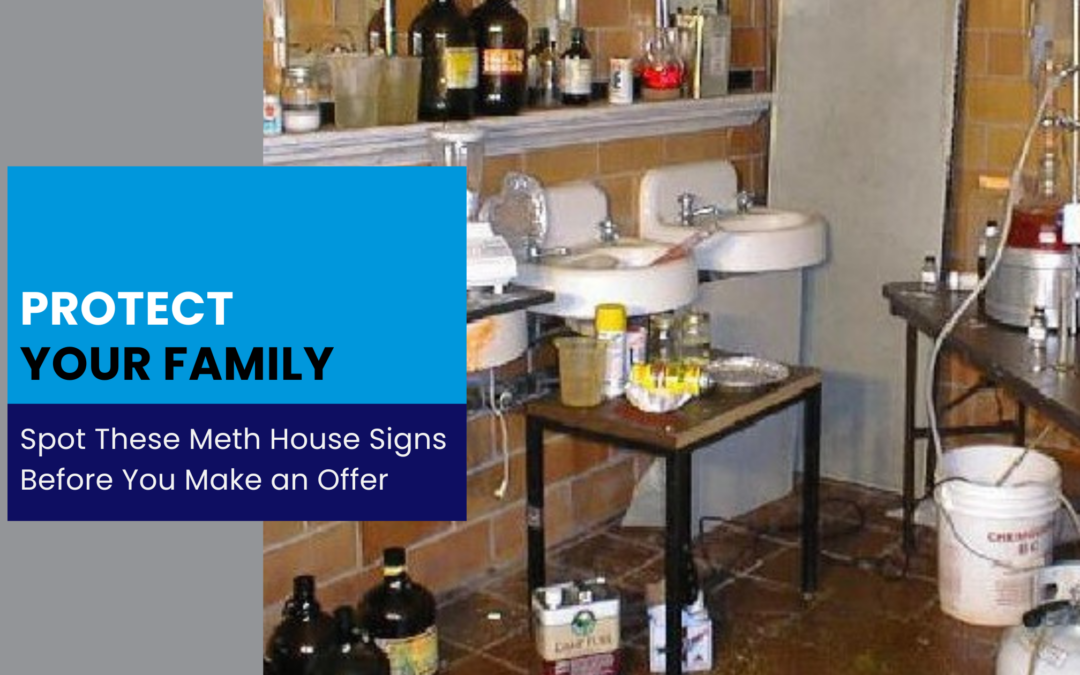
Buying a home is one of the biggest investments you’ll ever make. The last thing you want to discover after closing is that you’re living in a former meth lab. Knowing the meth house signs to look for — before you make an offer — can protect your family’s health and save you from a serious financial nightmare.
Michigan is one of the states with the highest rates of reported meth lab incidents in the country. While many properties are remediated and relisted, some are not — and Michigan’s seller disclosure laws only require sellers to disclose what they know. That gap puts the burden of due diligence squarely on you, the buyer.
Here’s what to watch for.
What Is a Meth House?
A meth house is a property where methamphetamine was manufactured, used heavily, or stored. The problem isn’t just the illegal activity — it’s the chemical residue that gets left behind.
Meth production involves a toxic mix of chemicals that can saturate walls, floors, carpeting, insulation, and HVAC systems. Even after a property has been cleaned, improper or incomplete remediation can leave dangerous residue behind. Health effects from exposure to meth contamination include respiratory problems, skin and eye irritation, headaches, nausea, and dizziness — with potential long-term effects on the kidneys and central nervous system that are still not fully understood.
Children are especially vulnerable.
Meth House Signs: What to Look For
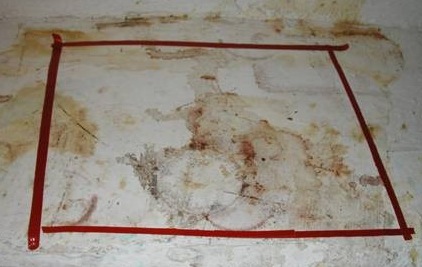
You don’t need to be a chemist to recognize potential red flags. Here are the most common meth house signs during a property walkthrough.
Unusual Stains and Discoloration
One of the most visible meth house signs is unexplained staining. Look for:
- Yellow or orange discoloration on walls, ceilings, countertops, sinks, and drains
- Blue or green staining on propane tank valves or fire extinguisher fittings (from chemical byproducts)
- Staining patterns that don’t match normal wear — particularly in bathrooms, kitchens, or basements
Strange and Persistent Odors
Meth houses often have a distinct smell, though it can vary depending on the chemicals used and how long ago the lab was active. Common descriptions include:
- A sharp chemical smell similar to paint thinner, acetone, or solvents
- A strong ammonia odor (similar to cat urine, even without pets)
- Burnt plastic or a general “chemical” smell that doesn’t clear after ventilation
If a home has been aggressively deodorized — multiple air fresheners, heavy perfume, fresh paint in unusual spots — that’s worth noting too.
Odd Ventilation or Exhaust Modifications
Meth production generates fumes that need to be vented. Watch for:
- Exhaust fans installed in strange locations (interior walls, closets, basements) with no logical purpose
- Unusual holes cut into walls or ceilings
- Window AC units with heavy-duty external venting that seem out of proportion to the space
Removed or Disabled Smoke Detectors
Fire is a serious risk during meth production. A pattern of missing, removed, or deliberately disabled smoke detectors — especially in combination with other red flags — is worth flagging.
Physical Symptoms While Inside
This one is important: if you or anyone with you experiences burning eyes, throat irritation, a metallic taste, or difficulty breathing during a walkthrough, leave the property immediately and note it for follow-up.
What a Home Inspector Can and Can’t Tell You
A standard home inspection evaluates the visible, accessible physical condition of a property — structure, roof, HVAC, plumbing, electrical, and so on. As your inspector, I’m trained to flag unusual modifications, staining, and conditions that raise questions. While these don’t necessarily mean the house was used as a meth lab, I do take those observations seriously and will note them clearly in your report.
What a home inspection cannot do is test for chemical contamination. That requires specialized environmental testing by a certified meth remediation professional — separate from a standard home inspection.
If your inspection turns up red flags consistent with prior drug activity, the right next step is to bring in an environmental testing specialist before you proceed.
How to Check the DEA Registry
The U.S. Drug Enforcement Administration maintains a free public database called the National Clandestine Laboratory Register. It lists addresses where law enforcement agencies reported finding chemicals or other indicators of clandestine drug labs.
It’s a useful starting point — but it has real limitations. Reporting to the registry is voluntary, and research shows the database significantly undercounts actual incidents. Many meth lab busts never make it into the federal registry at all. Use it as one tool among several, not as a clean bill of health.
Can a Meth House Be Cleaned?
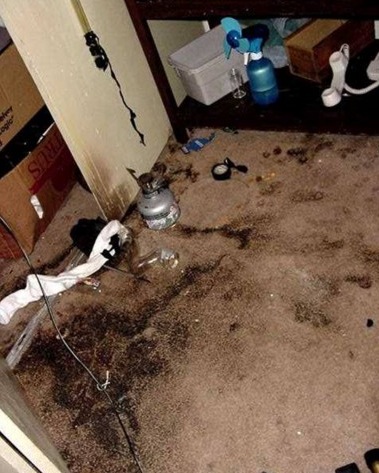
Yes — but proper remediation is a specialized process. It involves professional testing, removal of contaminated materials, decontamination of surfaces and HVAC systems, and post-remediation verification testing. It is not a DIY project, and not every contractor is qualified to do it correctly.
If a seller represents that a property has been remediated, ask for documentation: testing results from before and after remediation, contractor certifications, and clearance testing reports.
Symptoms of Living in a Former Meth House
Some meth house signs aren’t observable in the house, but in its occupants. If you’ve already moved into a home and are experiencing unexplained health symptoms, meth contamination is one of several environmental factors worth investigating. Common symptoms associated with meth residue exposure include:
- Persistent respiratory issues or worsening asthma
- Frequent headaches, especially at home
- Skin rashes or eye irritation without obvious cause
- Nausea or dizziness that improves when you leave the property
These symptoms can have many causes. If you suspect environmental contamination, consult a physician and contact an environmental testing professional.
The Bottom Line for Northern Michigan Home Buyers
Meth house signs aren’t always obvious, and sellers aren’t always required — or able — to disclose a property’s history. A thorough home inspection is your first line of defense. Combined with a check of the DEA registry and your own eyes during a walkthrough, you’ll be in a much stronger position to make a confident, informed decision about your investment.
If something feels off, trust that instinct. It’s always better to ask questions before closing than after.

Scott Frakes, CMI® is a Certified Master Inspector® and owner of North Point Home & Property Inspections, LLC, serving Gaylord, Petoskey, Charlevoix, Boyne City, Harbor Springs, Traverse City, and all of Northern Michigan. Call or text (989) 370-3683 to schedule your inspection.
All meth house photos in this article are courtesy of InterNACHI.