

If you’re buying a home in Northern Michigan, one of the first questions you’ll want answered is: “What is included in a home inspection?” It’s a fair question — and the answer matters more than most buyers realize. Let’s take a look!
What Is Included in a Home Inspection in Northern Michigan?
A standard home inspection is a visual examination of a home’s readily accessible systems and components. As a Certified Master Inspector® serving Gaylord, Petoskey, Charlevoix, Boyne City, Harbor Springs, and the surrounding area, I follow the InterNACHI Standards of Practice — the most widely recognized standards in the inspection industry. Every inspection I perform covers the same core systems, and I’ll walk you through each one below.
The Roof
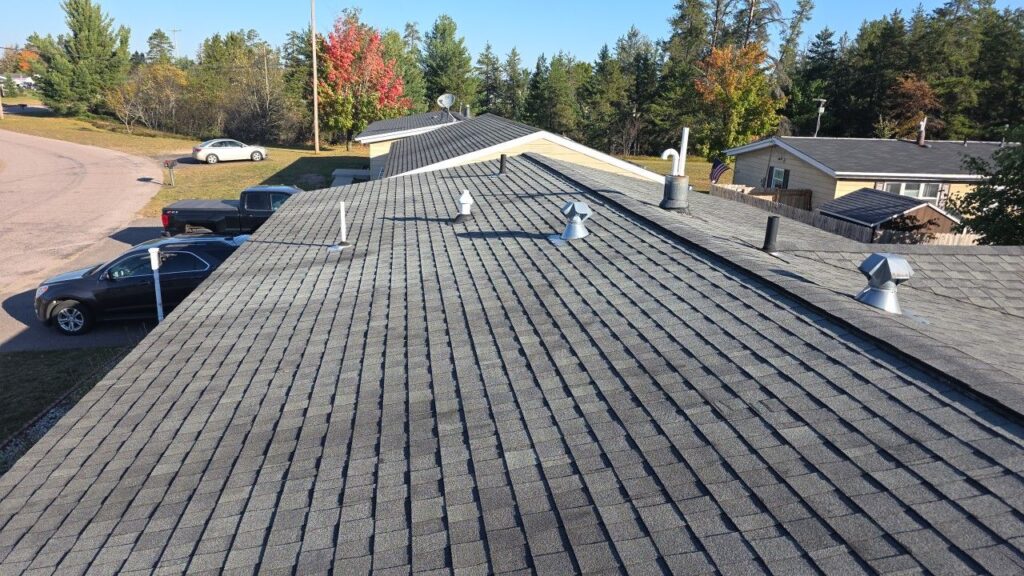
Here in Northern Michigan, roofs take a beating. Ice dams, heavy snow loads, and freeze-thaw cycles create wear patterns that aren’t always obvious from the ground. That’s why I take my time and get as close a look as conditions safely allow.
I inspect the roof-covering materials, gutters, downspouts, flashing, skylights, chimneys, and any other roof penetrations. I’m looking for missing or damaged shingles, improper flashing, signs of active leaks, and anything else that could let water into the home.
The Exterior
The exterior of a home tells a story before I ever step inside. I inspect the wall-covering materials, eaves, soffits, fascia, windows, doors, flashing, trim, walkways, driveways, stairs, porches, decks, balconies, railings, and guards.
I also look at vegetation, surface drainage, retaining walls, and the grading around the foundation. Poor drainage is one of the most common contributors to water intrusion in Michigan homes, and it’s something I flag whenever I see it.
The Foundation, Basement, and Crawl Space
This is where I spend a significant amount of time — because this is often where the real issues hide.
I inspect the foundation, basement, and crawl space for signs of water penetration, wood in contact with soil, possible foundation movement (like stair-step cracks, out-of-square door frames, or unlevel floors), and any structural concerns with the framing, beams, posts, or bearing walls.
In Northern Michigan’s climate, freeze-thaw cycles put real stress on foundations over time. Catching movement or moisture intrusion early can save buyers from very expensive repairs down the road.
Heating System
Michigan winters are no joke, and a heating system that’s failing — or that hasn’t been maintained — is a serious concern. I note what I observe and recommend further evaluation by a qualified HVAC contractor when warranted.
I inspect the heating system using normal operating controls. I identify the energy source and heating method, note the thermostat location, and report anything that didn’t operate as expected or couldn’t be accessed.
Cooling System
I inspect the central cooling system the same way — using normal operating controls, identifying the cooling method, and reporting any system that didn’t operate or was inaccessible. (Note: I don’t operate cooling equipment when outdoor temperatures aren’t conducive to safe operation, typically below 65°F.)
Plumbing
The plumbing inspection covers the main water supply shut-off valve, main fuel supply shut-off valve, water heater (including venting, TPR valve, and energy source), interior supply lines, fixtures, faucets, toilets, sinks, tubs, showers, and the drain, waste, and vent system.
I run the water from every faucet, flush every toilet, and check for functional flow, active leaks, improper hot/cold connections, and drainage issues. I also look at the water heater’s age and condition and flag any concerns about its remaining service life.
Electrical
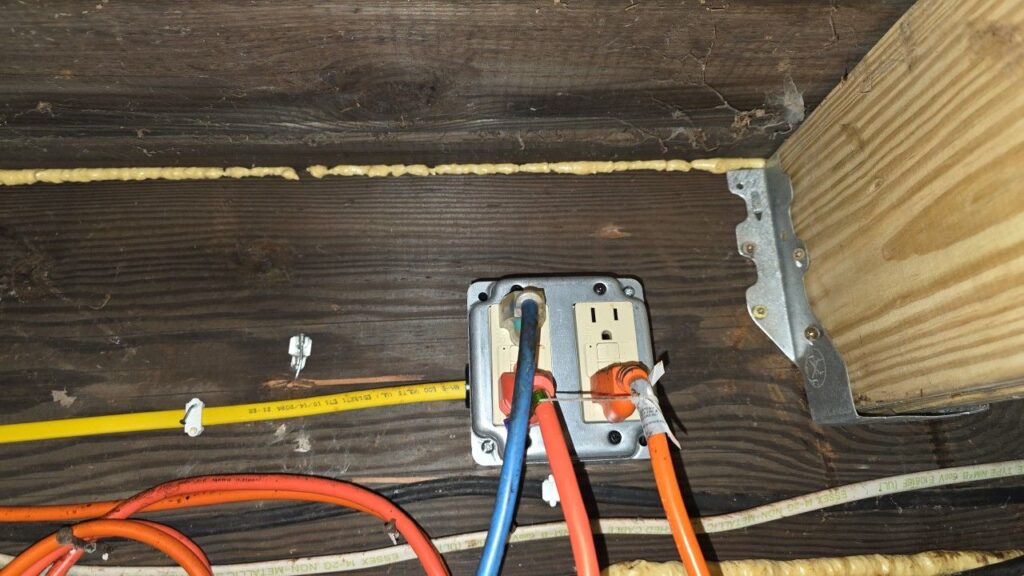
The electrical inspection is one of the most important parts of what a home inspector looks for — especially in older Michigan homes.
I inspect the service entrance, meter, main disconnect, panelboard, circuit breakers, service grounding and bonding, a representative number of switches, outlets, and light fixtures, all GFCI and AFCI protected receptacles (tested where accessible), and the presence of smoke and carbon monoxide detectors.
I report solid aluminum branch-circuit wiring if visible, any unprotected panel openings, improper grounding, missing covers, evidence of arcing or overheating, and non-functional GFCI devices.
One thing we see a lot of here in older northern Michigan neighborhoods in communities like Charlevoix and East Jordan is cloth-covered, knob-and-tube wiring. While knob-and-tube wiring isn’t technically a defect, I call it out because decades-old electrical systems weren’t designed for modern electrical loads. Finding knob-and-tube is a big indicator that this system is a good candidate for evaluation by a licensed electrician for safety and functionality.
Fireplace and Chimney
I inspect the readily accessible and visible portions of fireplaces and chimneys, including lintels, damper doors (opened and closed where manually operable), and cleanout doors and frames. I report evidence of deterioration, separation, or damage in the hearth or chamber, and note if dampers aren’t functioning properly.
Wood-burning fireplaces and chimneys are common in Northern Michigan homes, and deferred maintenance here can be a fire and carbon monoxide hazard. It’s worth a note that a comprehensive technical safety evaluation of a chimney requires specialized equipment and training that is beyond the scope of a standard home inspection. I always recommend a dedicated chimney inspection by a certified chimney sweep when I have concerns.
Attic, Insulation, and Ventilation
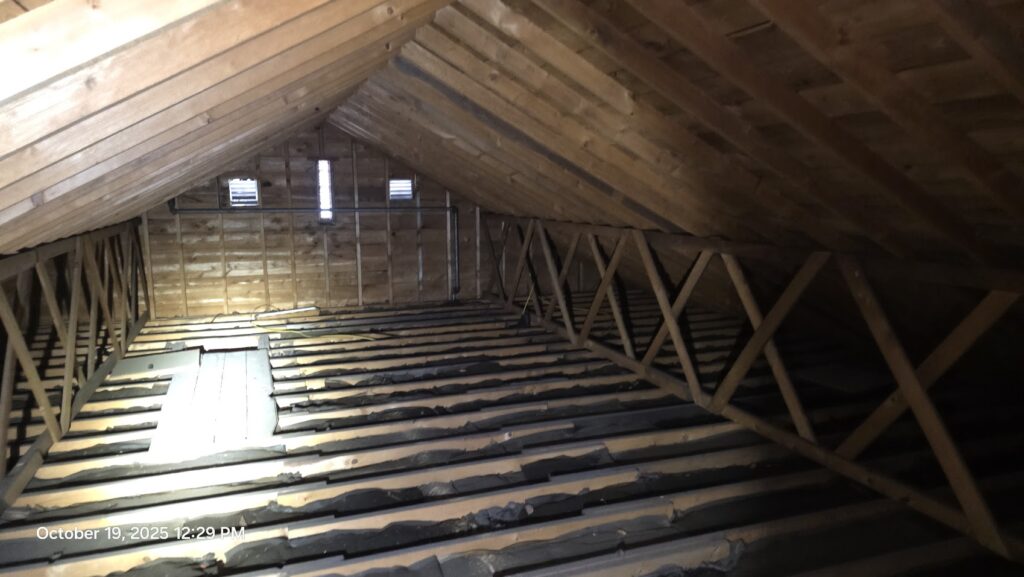
Proper attic insulation and ventilation are especially important in Michigan’s Climate Zone 6. Inadequate insulation drives up heating costs and creates conditions favorable to ice dams and moisture problems.
I inspect insulation and ventilation in unfinished spaces — attics, crawl spaces, and foundation areas — and look at mechanical exhaust systems in kitchens, bathrooms, and laundry areas. I note the type and approximate depth of attic insulation and flag the general absence of insulation or ventilation.
Doors, Windows, and Interior
The interior inspection covers a representative number of doors and windows (opened and closed), floors, walls, ceilings, stairs, railings, guards, handrails, and garage vehicle doors and openers.
I report any window with obvious fogging or broken seal evidence, improper baluster or railing spacing, and garage door safety sensors that didn’t function properly. I walk every room and living space, looking for signs of water damage, settlement, deferred maintenance, and safety concerns.
What a Home Inspection Does NOT Include
Just as important as knowing what is included in a home inspection is understanding what falls outside the standard scope.
A home inspection is non-invasive and visual. Inspectors are not required — and in most cases not permitted — to move furniture, remove wall coverings, dismantle components, or access areas that are unsafe or not readily accessible. A standard inspection also does NOT include:
- Mold testing
- Radon testing
- Sewer scoping
- Pest or insect inspections
- Underground storage tanks
- Swimming pools or spas
- Sprinkler or irrigation systems
- Environmental hazards (asbestos, lead paint, etc.)
Some of these are available as separate, specialized services. I offer mold testing, radon testing, sewer scoping, and thermal imaging as add-on services for buyers who want a more complete picture of a property’s condition. Just ask when you schedule.
Other services, such as asbestos testing or irrigation system inspection, are beyond the scope of what a home inspection company provides. When appropriate, I will recommend reaching out to the appropriate specialist for a quote on these services.
Frequently Asked Questions
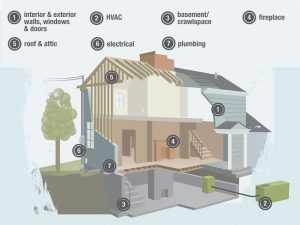
Should I be present during my home inspection? Yes — I strongly encourage buyers to attend. I walk you through the home as I inspect it, explain what I’m seeing in plain language, and answer your questions in real time. You’ll get far more out of the inspection if you’re there.
How long does a home inspection take? Most inspections for a typical single-family home take two to three hours, depending on the size and condition of the property. Larger homes, older homes, or homes with additional structures (like a detached garage or workshop) may take longer.
What does a home inspector look for that buyers might miss? The biggest things buyers miss are the ones they can’t see without experience: subtle signs of foundation movement, improper electrical work hidden in a panel, flashing failures that haven’t caused visible leaking yet, and inadequate attic ventilation that’s quietly creating moisture problems. That’s exactly why having a qualified inspector matters.
Does a home inspection cover mold? Not as part of the standard inspection. A standard home inspection is visual and non-invasive, so hidden mold behind walls or in HVAC systems won’t be detected without specialized testing. If I see visible mold growth or conditions that are conducive to mold during the inspection, I’ll flag it and recommend testing. If you would like me to perform mold testing at the same time as your home inspection, just request this add-on service when you book.
Do home inspectors in Michigan need to be licensed? Michigan does not currently require home inspectors to be licensed by the state. That makes choosing a qualified inspector even more important. Look for certifications through InterNACHI, and consider hiring a Certified Master Inspector® (CMI®) — the industry’s highest professional designation — for the most thorough and experienced inspection possible.
Ready to Schedule Your Northern Michigan Home Inspection?
Whether you’re buying a home in Gaylord, Petoskey, Charlevoix, Boyne City, or anywhere in between, you deserve a thorough inspection from someone who knows this region and its homes.
Have more questions about what is included in a home inspection, or ready to book? Call or text (989) 370-3683 or schedule online today.
Note: This article was expanded and updated in April, 2026.

Scott Frakes, CMI®, is the owner of North Point Home & Property Inspections, LLC, serving Northern Michigan from Gaylord. A Board-Certified Master Inspector® with 24+ specialized certifications through InterNACHI, Scott has completed more than 2,000 inspections across the region. He serves Gaylord, Petoskey, Traverse City, Charlevoix, Boyne City, East Jordan, Harbor Springs, and surrounding communities.