
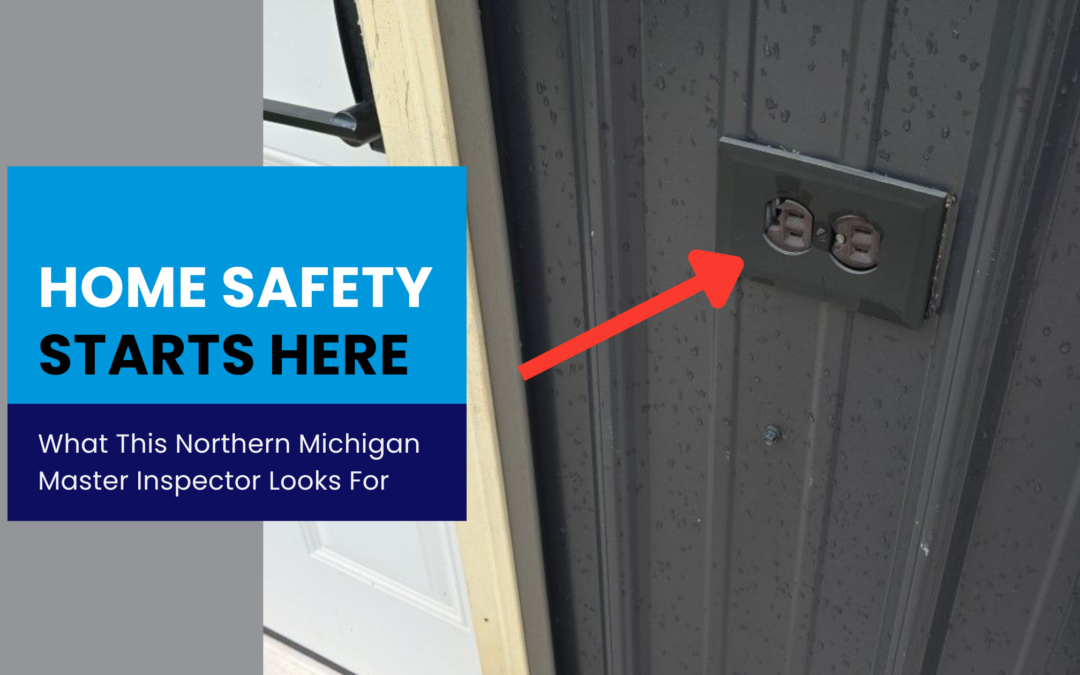
When people think about home safety, they usually picture smoke detectors or locked doors. But during home inspections across Northern Michigan, I routinely find more hazards that are at least as serious hidden behind walls, inside attics, beneath decks, and in crawl spaces.
Some increase the risk of injury. Others affect indoor air quality, electrical safety, or water quality. Many are especially common in older homes, seasonal cottages, lake homes, and rural properties throughout Gaylord, Petoskey, Harbor Springs, Charlevoix, Boyne City, Traverse City, Roscommon, Atlanta, Mackinaw City, and surrounding Northern Michigan communities.
I’m Scott Frakes, Certified Master Inspector® (CMI®) and owner of North Point Home & Property Inspections, LLC. Because June is National Home Safety Month, it’s a good time to talk about the issues that matter most — especially the ones many homeowners never realize are there until damage, illness, or injury occurs.
After more than 2,000 inspections across Northern Michigan, these are some of the most common home safety hazards I see buyers and homeowners underestimate.
At a Glance: Common Home Safety Hazards in Northern Michigan
The safety hazards I most commonly find during Northern Michigan home inspections (that many homeowners aren’t even aware of) include:
- Missing or failed GFCI electrical protection
- Unsafe deck guardrails and stair handrails
- Hidden ice dam and attic moisture damage
- Mold growth from chronic moisture intrusion
- Bacteria contamination in private well water
These problems are especially common in:
- older homes,
- lake cottages,
- vacation properties,
- seasonal cabins,
- and rural homes throughout Northern Michigan.
Hazard #1: Missing or Faulty GFCI Protection
Why It’s Common in Northern Michigan Homes
Missing GFCI protection is one of the most common electrical safety issues I call out during Northern Michigan home inspections — especially in homes built before the 1980s.
Many older homes throughout Gaylord, Petoskey, Charlevoix, and surrounding communities were built before modern electrical safety standards existed. Kitchens, bathrooms, garages, unfinished basements, and exterior outlets from previous eras often lack the protection now considered standard.
In older homes and seasonal cottages, I frequently find kitchens or bathrooms that were beautifully updated with new fixtures and cabinets, while the original electrical system remained largely untouched.
Why It Matters
GFCI outlets help reduce the risk of electric shock by shutting off power when a fault is detected.
That matters even more in Northern Michigan, where garages, mudrooms, workshops, and exterior receptacles are routinely exposed to snow, moisture, and damp conditions.
What a Home Inspector Looks For
During a home inspection, I test accessible GFCI outlets and evaluate areas where GFCI protection is typically recommended, including:
- Kitchens
- Bathrooms
- Garages
- Exterior outlets
- Crawl spaces
- Laundry areas
- Unfinished basements
I also look for signs of unsafe electrical modifications, damaged outlets, improper wiring, and other common electrical hazards.
Common Field Observation
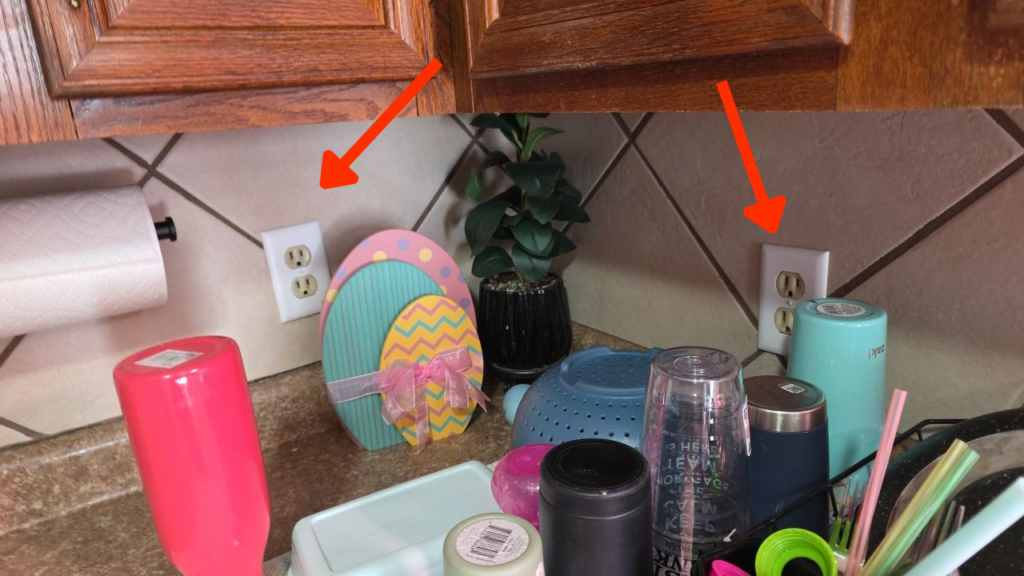
GFCI requirements have changed over the years. For years, NEC standards required only outlets within 6 feet of a plumbing fixture to be GFCI protected. That has changed. Current standards call for GFCI protection for all outlets in kitchens, bathrooms, and the other locations listed above – regardless of distance from the sink.
There is still a lot of confusion about where GFCI outlets are required. I routinely find recently remodeled kitchens like the one above where only the outlets nearest the sink are GFCI protected.
If it’s an older home, we often hear the argument that “it’s grandfathered”. But remember: a home inspection isn’t a code inspection. We’re looking out for your safety, no matter the status of the building in regards to code. So regardless of the age of the home, when I find an outlet that should be GFCI-protected by modern standards but isn’t, I’ll call it out.
Quick FAQ
Are home inspectors licensed in Michigan?
No. Michigan does not currently license home inspectors, meaning there is no statewide minimum training requirement. Credentials like Certified Master Inspector® (CMI®), InterNACHI certification, and extensive field experience matter when choosing an inspector.
Is adding GFCI protection expensive?
In many cases, adding GFCI protection is one of the more affordable electrical safety upgrades a homeowner can make. Costs vary depending on the electrical system and accessibility.
Hazard #2: Unsafe Deck Guardrails and Stair Handrails
Why Deck Safety Problems Are So Common in Northern Michigan
Falls are the second leading causes of home injuries according to the National Safety Council. Unsafe guardrails and handrails contribute to many fall injuries that happen in home environments, and they are among the most common safety issues I document during inspections.
Northern Michigan weather is especially hard on exterior structures. Freeze-thaw cycles, snow exposure, moisture, and seasonal neglect gradually weaken deck framing, rail connections, and stair systems over time.
Many older decks around Petoskey, Harbor Springs, Charlevoix, and Boyne City were also built decades ago under outdated standards — or without permits entirely.
Why It Matters
A deck can appear solid while still having serious structural or fall hazards.
I frequently find guardrails that visibly shift when pressure is applied — especially on older elevated decks overlooking slopes, lakes, or walkout basements.
What Home Inspectors Look For
During a deck inspection, I look for:
- Loose or unstable guardrails
- Improper stair handrails
- Rot or moisture damage
- Unsafe stair geometry
- Missing fasteners or connectors
- Improper ledger attachment
- Excessive movement or deflection
Common Field Observation
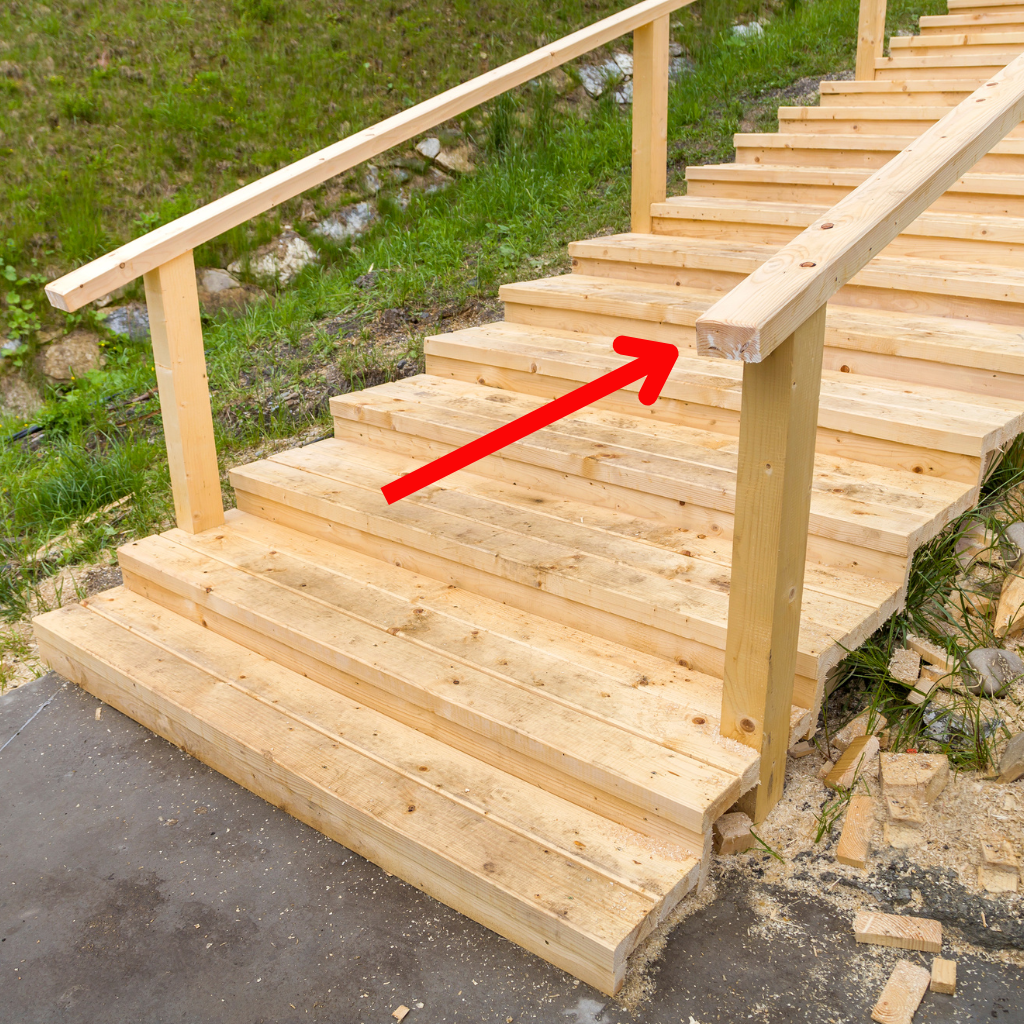
A deck handrail doesn’t have to be falling apart to be dangerous. One thing even many contractors aren’t aware of is that handrails are required to be graspable. That means you should be able to wrap your fingers around it – super important if you should slip while climbing the stairs! For a circular handrail, we’re talking an outside diameter of 1.25 to 2 inches.
Standard dimensional lumber like a 2×4 or 2×6 board used as a stair railing without being modified or having a properly sized rail attached is a common example of a non-graspable handrail that we see a lot on decks and porches in Gaylord, East Jordan, and other communities in northern Michigan. Even on new construction!
Quick FAQ
What’s the difference between a guardrail and a handrail?
A guardrail helps prevent falls from elevated surfaces like decks or balconies. A handrail is the graspable support used while climbing or descending stairs.
Are deck safety issues serious?
Yes. Loose railings, unstable stairs, or deteriorated deck framing can create significant fall and injury risks. Historical tracking from the National Electronic Injury Surveillance System (NEISS) identified 178,800 porch and deck-related injuries over a five-year sample size.
Hazard #3: Hidden Ice Dam Damage
Why Ice Dam Damage Is So Common in Northern Michigan
Ice dam damage is one of the most expensive hidden problems I find during Northern Michigan home inspections.
Communities near Lake Michigan — including Harbor Springs, Petoskey, Charlevoix, and Boyne City — experience significant lake-effect snowfall combined with repeated freeze-thaw cycles. Homes with inadequate attic insulation or poor ventilation are especially vulnerable.
Older cottages and seasonal homes are often at the highest risk.
Why It Matters
Ice dam damage can lead to:
- structural deterioration,
- hidden mold growth,
- damaged insulation,
- indoor air quality concerns,
- and expensive repair costs.
Here’s why it’s so important for your health and safety: Large roof ice formations can also create direct injury hazards when ice breaks loose above entryways, walkways, or decks. Falling ice can wreak havoc on cars parked near the home, too! Ice dams also often lead to moisture intrusion, which opens the door to mold infestation and respiratory problems.
What Ice Dam Damage Actually Looks Like
Many buyers expect ice dam damage to be obvious from outside the home. Often, it isn’t.
Inside the home, I commonly look for:
- Ceiling stains near exterior walls
- Peeling or bubbling paint
- Wet attic insulation
- Moisture staining on roof sheathing
- Soft or deteriorated roof decking
- Signs of previous repairs near eaves or skylights
By the time a stain appears on a ceiling, water may already have been entering the structure for weeks or months.
Common Field Observation
Where the attic is accessible, I check to make sure the home has sufficient insulation up there. Many older homes in Northern Michigan either don’t have any attic insulation at all, or not enough. This lets heat from the living space right up into the attic, where it warms the roof and helps create ice dams.
Quick FAQ
Does ice dam damage always require roof replacement?
No. Sometimes the primary issue involves insulation, ventilation, or localized repairs. Long-term ice dam problems, however, can eventually damage roofing materials and structural components.
Can newer homes develop ice dam problems?
Absolutely. I find ice dam damage in both older and newer homes when insulation or ventilation details were done incorrectly.
Hazard #4: Mold From Moisture Intrusion
Why Mold Is a Frequent Concern in Northern Michigan Homes
Northern Michigan’s climate creates ideal conditions for mold growth: long winters, high humidity, snowmelt, ice dam moisture, damp crawl spaces, and seasonal homes that sit closed for extended periods.
The most common locations where I find mold-related concerns include:
- attic sheathing,
- crawl spaces,
- basement rim joists,
- under-sink areas,
- areas affected by past roof leaks,
- and spaces with poor ventilation like infrequently-used closets.
Why It Matters
Mold exposure can affect indoor air quality and may contribute to respiratory irritation, allergy symptoms, and other health concerns in sensitive individuals.
What Home Inspectors Look For
During a home inspection, I look for:
- visible mold-like growth,
- elevated moisture conditions,
- water staining,
- musty odors,
- condensation issues,
- and signs of inadequate ventilation.
One of the biggest misconceptions I encounter is the belief that mold problems are always visible. They often aren’t. When conditions suggest hidden mold may be present, I may recommend additional mold testing or indoor air quality testing.
Common Field Observation
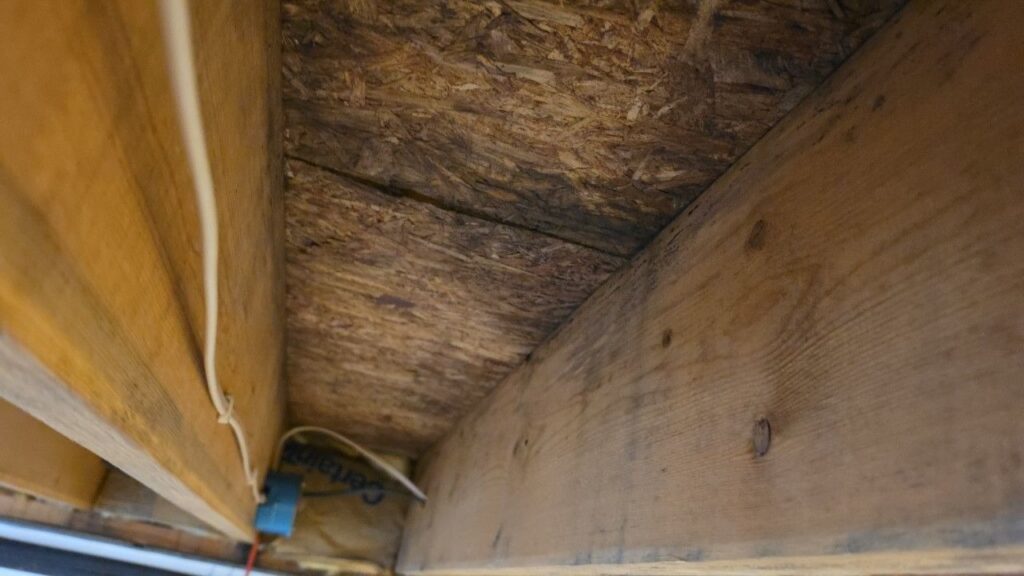
One of the most common mold findings I run into happens in lakeside vacation homes that are left vacant for long periods of time. Being closed-up without adequate ventilation creates ideal conditions for mold growth, especially in a damp lakeside environment. I often find mold in crawl spaces, too!
Quick FAQ
Can mold grow behind walls without visible signs?
Yes. Mold can develop inside wall cavities, attics, insulation, and beneath flooring long before visible staining appears.
Is mold testing included in a standard home inspection?
No. Mold testing is typically a separate service involving laboratory analysis of air or surface samples. However you can order mold testing along with a standard home inspection – it’s often more cost effective to do it that way.
Read more tips and articles about mold in homes and mold testing here.
Hazard #5: Unsafe Well Water Conditions
Why Well Water Safety Matters in Northern Michigan
Many homes throughout Northern Michigan rely on private wells rather than municipal water systems — especially in rural areas, lake communities, and seasonal property locations.
Unlike city water systems, private wells are not routinely monitored unless homeowners specifically request testing.
Why It Matters
Contaminated well water can create serious health risks. Older rural properties with aging wells, outdated well caps, drainage issues, or nearby septic systems or farm runoff may face increased risk.
I frequently remind buyers that clear water does not necessarily mean safe water. Bacterial contamination often has no visible warning signs.
What Home Inspectors and Water Tests Look For
Water quality testing is a separate service from a standard home inspection, but it’s one I strongly recommend for buyers purchasing homes with private wells.
Testing may evaluate:
- coliform bacteria,
- E. coli,
- nitrates,
- and other contaminants depending on the property and location.
Common Field Observation
In Michigan, the minimum required distance between a well and a septic tank is 50 feet, and 100 feet between the well and the drain field. However, in rural areas of northern Michigan, it’s not uncommon to find the well head 40 feet or less from the septic tank. This is especially true of older camps and vacation homes.
Moving the septic is an expensive undertaking at best. But before you decide it’s worth doing, ask: is there room on the property for it? I’ve seen some lakeside properties where there literally wasn’t.
Quick FAQ
Is well water testing required when buying a home in Michigan?
Not always, though some loan programs — including certain FHA and VA loans — may require testing for homes with private wells. It’s worth asking whether one is needed before you schedule an inspection, as it’s more cost-effective to order both services at once. Also, be sure you know what type of water testing they want to see. Getting to closing and finding out you’re not approved because you only had a bacterial test when the lender also wanted to see nitrate/nitrite results is frustrating for everyone involved.
Is well water testing worth it?
Yes. Water quality problems are often impossible to identify without laboratory testing.
Why Northern Michigan Experience Matters
Northern Michigan homes come with challenges buyers from other regions often don’t expect.
Lake-effect snow, freeze-thaw cycles, seasonal occupancy, crawl spaces, older cottages, private wells, and long winters all create unique conditions that affect home safety, moisture control, and long-term durability.
That’s why local inspection experience matters.
An inspector familiar with Northern Michigan housing patterns is more likely to recognize the subtle warning signs of hidden moisture intrusion, unsafe structural conditions, insulation problems, ventilation issues, and other hazards common in this region.
Schedule a Northern Michigan Home Inspection
If you’re buying or selling a home in Gaylord, Petoskey, Harbor Springs, Charlevoix, Boyne City, Traverse City, Roscommon, Atlanta, Mackinaw City, or surrounding Northern Michigan communities, a thorough home inspection can help identify hidden safety concerns before they become expensive surprises.
North Point Home & Property Inspections, LLC provides:
- home inspections,
- mold testing,
- indoor air quality testing,
- well water testing,
- and related inspection services throughout Northern Michigan.
When scheduling your inspection, ask about bundling additional testing services with your inspection visit for added convenience and efficiency.

Scott Frakes, CMI® has completed more than 2,000 inspections throughout Northern Michigan and brings decades of construction and inspection experience to every property evaluation.
Call or text Scott at (989) 370-3683 or schedule your inspection online.